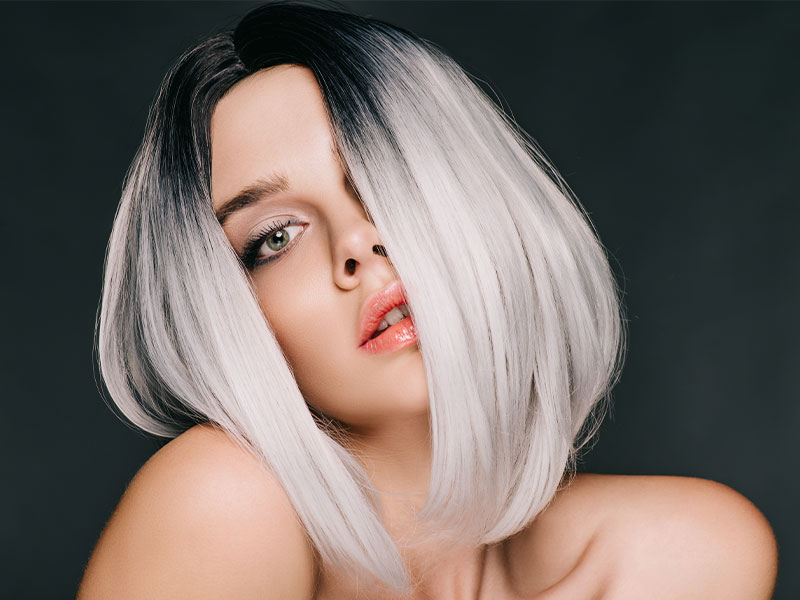

My Approach to Managing Dry, Frizzy, and Tangled Hair
November 9, 2026
Choosing a Wig in Kingston: What I Consider for Fit, Texture, and Everyday Wear
November 16, 2026
Children’s hair care is easier when the routine suits the child’s age, hair texture, and comfort. A routine that works well for one child may not be right for another, especially when hair is curly, coily, tightly textured, fine, or prone to tangling. I help parents in Kingston understand their child’s hair needs and choose manageable ways to care for it at home.
At Trendsetter Hair Clinic, I provide children’s hair services and styling support. I know that parents may have questions about washing, detangling, protective styles, and choosing products. My aim is to make hair care feel gentle and practical for both the child and the caregiver.
Start With Your Child’s Hair and Scalp
A good routine begins with noticing how your child’s hair behaves. Consider its texture, density, length, and how easily it tangles. Also pay attention to the scalp: does it seem dry or sensitive, or does your child feel discomfort during brushing or washing?
These observations can help you choose suitable care habits. For example, a child with tight curls may need more time and patience during detangling than a child with straighter hair. Long hair may require different handling from a shorter style. Rather than following a routine designed for someone else, adjust the steps to your child.
If you notice ongoing scalp irritation, unusual hair loss, or persistent discomfort, consider seeking advice from a qualified healthcare professional. A stylist can offer guidance on grooming and styling, but medical concerns may need a health assessment.
Make Hair Care Predictable and Comfortable
Children often feel more at ease when they know what to expect. Try to keep hair care at a calm time of day, explain each step in simple language, and let your child take small breaks when needed. A rushed routine can make brushing or washing feel stressful.
You can also give your child small choices, such as selecting between two styles or choosing a comfortable headband. This helps them feel involved without making the routine complicated.
Use gentle handling and avoid pulling through knots. If your child is uncomfortable, pause and check what is causing the problem. Building a calm routine over time can make regular care easier.
Detangle With Care
Detangling is often the part children find most uncomfortable. Begin slowly and work in manageable sections rather than trying to brush through the entire head at once. Depending on the hair texture and your preferred routine, detangling may be easier when the hair is damp and has an appropriate conditioner or detangling product.
Start at the ends and work upward toward the roots. Hold the section of hair near the scalp to reduce pulling. Use a comb or brush that works for your child’s hair, and avoid forcing it through a knot. If a tangle is difficult, gently separate it with your fingers before continuing.
The right frequency for detangling depends on your child’s hair and style. Some hair needs more frequent attention to prevent knots, while other styles may be easier to maintain with less daily manipulation. Your child’s comfort should guide the pace.
Choose a Washing Routine That Fits
Children’s hair needs regular cleansing, but the schedule can vary. Consider your child’s activity level, scalp, hairstyle, and use of hair products. If they play sports or spend time outdoors, you may need to adjust washing based on sweat and buildup.
When washing, concentrate on cleaning the scalp and rinse thoroughly. Use products intended for hair care and appropriate for your child’s needs. Avoid using more product than necessary, since residue can make hair feel coated or harder to manage.
After washing, handle the hair gently with a towel. Rubbing vigorously can create friction and tangles. Instead, press or blot the hair to remove excess water, then follow your usual conditioning and detangling steps.
Keep Products Simple
A child’s routine does not need a large collection of products. Start with a few suitable basics and pay attention to how your child’s hair responds. Too many products can make it difficult to know what is helping and what may be causing buildup or irritation.
Use products according to their directions and avoid applying styling products directly to the scalp unless they are intended for that use. If your child develops irritation after using a product, stop using it and seek appropriate advice if symptoms continue.
At a salon visit, you can bring or name the products you already use. I can discuss how they fit into your child’s styling routine and suggest practical adjustments based on the hair and style.
Select Styles That Are Gentle and Age-Appropriate
A child’s hairstyle should look good and feel comfortable. Braids, twists, ponytails, and other styles can be convenient, but they should not pull tightly on the scalp. If a style causes pain, tenderness, or bumps around the hairline, loosen or remove it and reconsider how it was secured.
For everyday wear, choose styles that are easy to maintain and do not require frequent tight brushing or restyling. Consider your child’s school routine, activities, and preferences. A style that stays comfortable during play may be more practical than one that needs constant adjustment.
Protective styles can reduce daily manipulation for some children, but they still need appropriate care. Keep the scalp comfortable, avoid excessive tension, and follow a suitable cleansing routine for the style.
Protect Hair During Sleep and Activities
Nighttime care can help reduce friction and tangling. Depending on your child’s hair and comfort, a satin or silk pillowcase or a soft hair covering may be helpful. Make sure any covering fits comfortably and does not feel restrictive.
For sports and active play, secure the hair gently. Avoid pulling it tightly into the same style every day. If your child wears a helmet or other protective equipment, choose a hairstyle that fits comfortably underneath it without placing extra strain on the hairline.
After swimming or other activities that leave the hair wet or exposed to products, follow a routine that suits the child’s hair and scalp. Gentle cleansing and detangling may help keep hair manageable.
Help Children Feel Positive About Their Hair
Children notice how adults talk about their hair. Keep the language supportive and avoid describing natural texture as a problem to be fixed. Let your child explore styles while reinforcing that their hair can be cared for in a way that feels comfortable and looks like them.
As children grow, their preferences may change. Involve them in age-appropriate choices, such as selecting a style or deciding whether they want a trim. This can help them gradually learn how to care for their own hair.
When to Ask a Stylist for Help
You may want professional guidance if you are unsure how to detangle your child’s hair, choose a suitable style, or manage a particular texture. A stylist can demonstrate techniques and help you understand what may work with your child’s hair.
Before an appointment, tell the stylist about any sensitivities, styles that have caused discomfort, and your child’s preferences. If your child is nervous, explain what will happen and bring a familiar comfort item if appropriate.
At Trendsetter Hair Clinic in Kingston, I support parents with children’s hair care, styling assistance, and practical guidance. My goal is to help make the salon experience welcoming and to share ideas parents can use at home.
A Gentle Routine for Children’s Hair in Kingston
A manageable children’s hair care routine starts with gentle handling, suitable products, comfortable styles, and attention to the child’s individual needs. Washing and detangling habits can be adjusted as their hair grows and their preferences change.
If you would like help caring for your child’s hair, I welcome you to Trendsetter Hair Clinic in Kingston. I can discuss your child’s hair texture, styling goals, and home routine, then help you consider practical options that support comfortable, positive hair care.